
Cinderella is possibly the best loved of all fairytales and one of the oldest. The first written version dates from 9th century AD China and there are indications that it was already a well know story by the time it was recorded. What about this story has appealed to children over so many centuries?
According to Bruno Bettelheim, author of "The Uses of Enchantment: The Meaning and Importance of Fairy Tales", Cinderella and other folk tales address the anxieties that all children experience and offer the comfort that they, too, will find a happy ending.
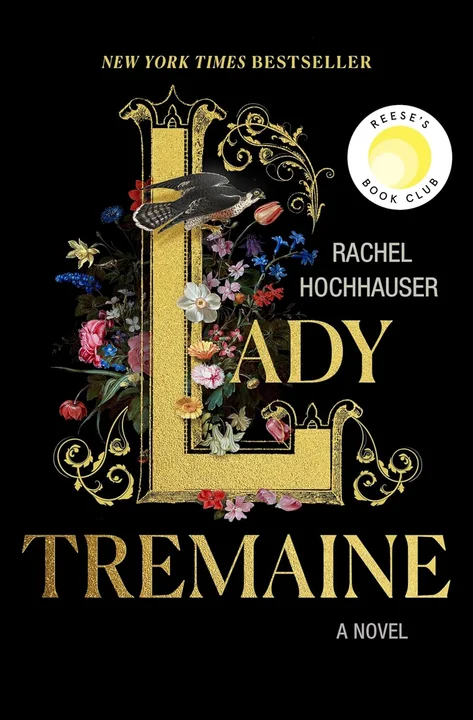
In "Lady Tremaine", Rachel Hochhauser uses the bones of the Cinderella story to address the common but complex anxieties of being a woman and a mother. The novel is set in a vaguely Medieval European world and the heroine is a brewer's daughter, Etheldreda, who grows up to become the stepmother in the fairy tale. In the present moment of the novel, Etheldreda has been widowed twice and left with two daughters and a stepdaughter to support in a crumbling house with no money except what she can earn surreptitiously while still keeping up appearances of being a noblewoman. Two women of the original household staff have remained with her despite lack of pay probably because Lady Tremaine accepts them as lovers. Unlike in a fairy tale version, this family of women are fully realized characters, flawed but doing the best they can in a society whose rules were not written by or for women.
The entire focus of Etheldreda's life is to protect her daughters and see them safely to adulthood. She tries to be a mother to her stepdaughter, but Ellen has long ago fixed her focus on and tailored her behavior to what she thinks her dead mother might have wanted. She rejects the Tremaine women refusing to see them as family.
Hochhauser's central theme is motherhood. While many mothers would do almost anything for their children, is that the healthiest way to mother? How much of being a mother is imposing your own wants and needs on your children or are there times when a mother must be willing to change herself to accommodate her offspring? Hochhauser's use of language is beautiful, almost poetic. And the plot line deviates from the fairy tale you know into new uncharted waters. This is a lovely story of found family and the strength of women when they band together.
reviewed by Jean C VanNoppen


